Alcohol Markers vs Water-Based Markers for Coloring Pages: Which to Buy First
Alcohol markers blend like paint and bleed through everything; water-based markers are cheap, washable and streaky. Which to buy first depends on who’s coloring, what paper you print on, and whether you mind the smell. An honest comparison with a starter recommendation.
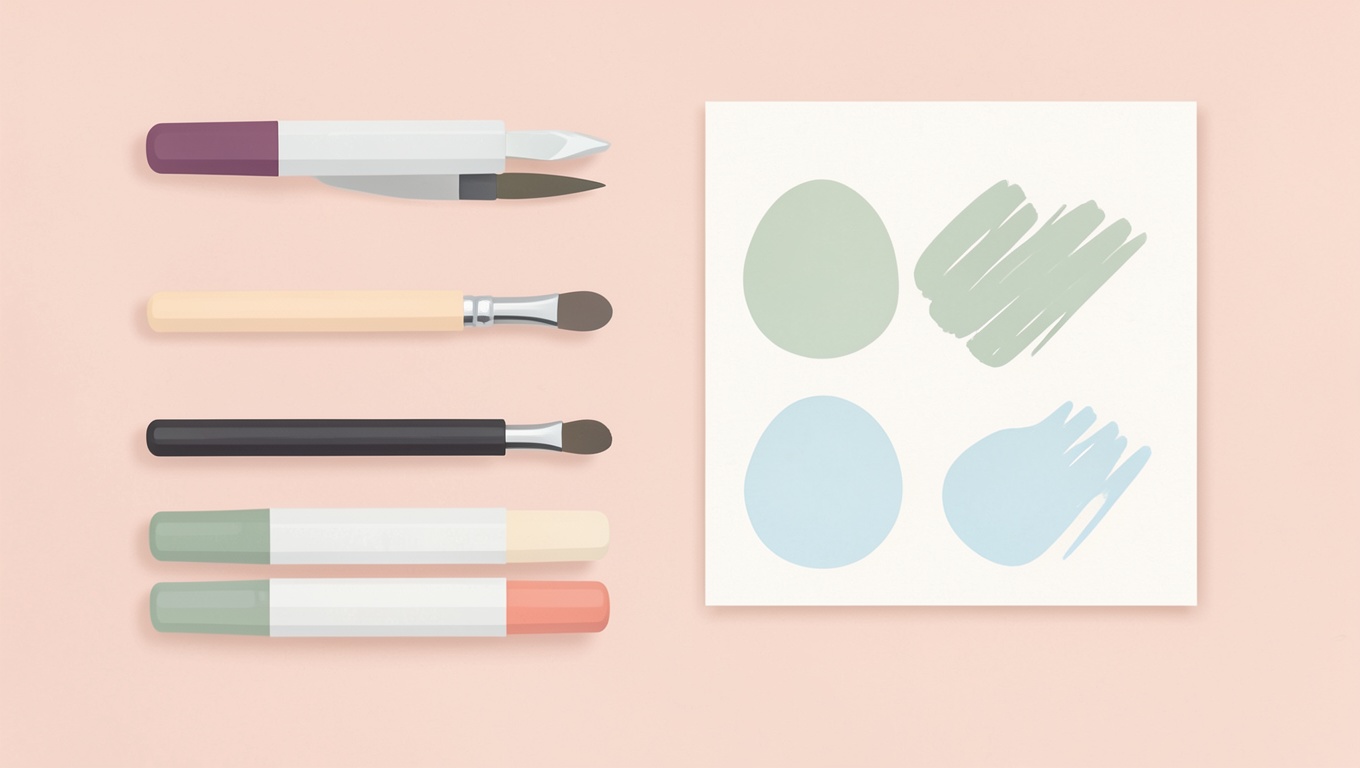
Short answer: if you (or your kids) color on ordinary printer paper, sometimes double-sided, buy water-based markers first — washable ones for children, a better-nibbed set (Tombow Dual Brush, Crayola Super Tips, Staedtler, Zebra Mildliner-style) for adults. If you want smooth, streak-free blending and vivid, even color, and you’re willing to print on cardstock, single-sided, with a backing sheet, buy alcohol markers (Ohuhu, Arteza and similar are the affordable entry; Copic is the benchmark). Many people end up with both. Here’s how they actually differ in use, what each does to paper, and a concrete first-purchase suggestion.
The difference in one paragraph
The ink in every marker is color dissolved in a solvent. Water-based markers use water: the ink sits higher in the paper, dries slower, and re-wets — so a second stroke drags the first around and can leave streaks and pilling, but it also rarely goes through the sheet. Alcohol-based markers use alcohol: the ink penetrates fibers and dries in seconds, so layers merge smoothly into each other (that’s the “painterly” blend people love), colors are vivid and even — and the ink goes straight through normal paper. Everything else follows from that.
Side by side
| Water-based | Alcohol-based | |
|---|---|---|
| Blending | Limited; streaks and overlap marks are common | Excellent; layers merge smoothly |
| Color on the page | Slightly uneven, a little translucent | Vivid, even, saturated |
| Bleed-through on copy paper | Rare (show-through yes) | Always |
| Feathering past lines | Some on absorbent paper | Some, less with a quick stroke |
| Paper needed | 24–28 lb printer paper is fine | 65 lb+ smooth cardstock or marker paper, plus backing sheet |
| Double-sided pages? | Usually OK | No |
| Washable / kid-safe | Yes (washable lines) | No; stains skin and fabric |
| Smell / ventilation | Almost none | Noticeable; ventilate |
| Dry-out | Caps off = dead markers | Same, though many are refillable |
| Cost | Low | Medium (budget sets) to high (Copic) |
| Refillable / replaceable nibs | Rarely | Often (Copic, some others) |
| Lightfastness | Poor (dye); fades | Poor to fair (dye); fades in sunlight |
When water-based is the right first buy
- Children. Washable, cheap, no fumes, survive on copy paper, and they don’t ruin the table. The tool question for kids by age is covered in crayons vs colored pencils vs markers.
- Coloring books and double-sided printouts. Almost every commercial coloring book is printed on paper that alcohol markers will destroy. Water-based markers are the honest choice for books.
- Classrooms and groups. Cost, safety, washability.
- You mostly want to fill areas with flat color and don’t care about blending. A decent brush-tip water-based set gives good flat color if you work quickly and don’t overwork.
Tips that make water-based markers look better: work in one direction with overlapping strokes rather than scrubbing; fill an area in one go while it’s wet; don’t go back over dried areas (that’s where streaks come from); use smoother 24–28 lb paper (see best paper for coloring pages); and let pages dry before stacking.
When alcohol markers are worth it
- You want blended gradients and even, saturated color — the “professional” marker look. This is what alcohol markers do that nothing else does at the price.
- You print your own pages and can print on cardstock, single-sided.
- Adults and older kids who will respect the no-double-sided, backing-sheet rules.
- You’d like to refill or replace nibs over years rather than buying new sets.
The rules that come with them: print on 65 lb+ smooth cardstock or marker paper, always use a backing sheet, ventilate, keep them off anything you don’t want stained, and cap immediately. Our guide on why markers bleed through and how to stop it covers the paper side in detail; the short version is that paper, not brand, decides whether alcohol ink reaches the table.
Brands, honestly
Among alcohol markers, Copic are the benchmark for nib quality, color consistency and refillability, and they cost like it. Ohuhu, Arteza, Prismacolor Premier, Winsor & Newton Promarker and similar budget-to-mid sets give most of the blending performance for a fraction of the price; the differences are nib feel, color matching between markers, and long-term support (refills, replacement nibs). For a first set, a 40–80 color budget alcohol set with brush + chisel nibs is a sensible place to start; you can always add Copics in the colors you use most.
Among water-based, Crayola for kids; Crayola Super Tips as a cheap large-palette adult option; Tombow Dual Brush for a real brush nib and some blendability (with water); Staedtler triplus and Stabilo for fine work. None of these will blend like alcohol markers, and that’s fine — they’re for a different job.
The hybrid answer most people land on
A set of washable water-based markers for everyday, for kids, and for books; and a modest alcohol set plus a pack of 65 lb cardstock for pages you want to look finished. If you can only buy one today and you print your own pages, buy alcohol markers and the cardstock; if you color in books or with children, buy water-based and spend the difference on paper and pencils.
A note on “bleed-proof” claims
Some water-based markers are marketed as no-bleed; that’s generally true on reasonable paper. Some alcohol markers claim low bleed — treat that as marketing; they bleed through copy paper like every other alcohol marker. The paper is the variable you control.
Frequently asked questions
Are alcohol or water-based markers better for coloring books?
Water-based, because coloring books are printed on ordinary paper and alcohol markers bleed through to the next page. If you must use alcohol markers in a book, put a backing sheet behind the page and accept that the reverse is sacrificed.
Do alcohol markers bleed through cardstock?
Much less, and usually not at all at normal pressure on 65–80 lb smooth cardstock; heavy layering can still strike through. Always use a backing sheet.
Can water-based markers blend?
A little, while wet, and more with a water brush on paper that can take it. They don’t produce the seamless gradients alcohol markers do.
Are alcohol markers safe for kids?
They’re non-toxic in normal use but not washable, they smell, and they stain everything. Older kids who follow the rules, yes; young children, water-based.
What’s the best cheap alcohol marker to start with?
Any well-reviewed budget set with brush and chisel nibs and 40–80 colors; brand differences at this level are smaller than the difference paper makes. Buy cardstock at the same time.
Why do my water-based markers streak?
Going back over a dried area re-wets and moves the ink. Work quickly in one direction, fill while wet, and use smoother paper.
Whichever you choose, print a test page and make a swatch in the corner before coloring the whole thing — our mandala pages are a good marker workout with big clear sections to practice on.